

Guide to Cold Soaking Your Food: The No-Stove Camping Hack That Actually Makes Sense
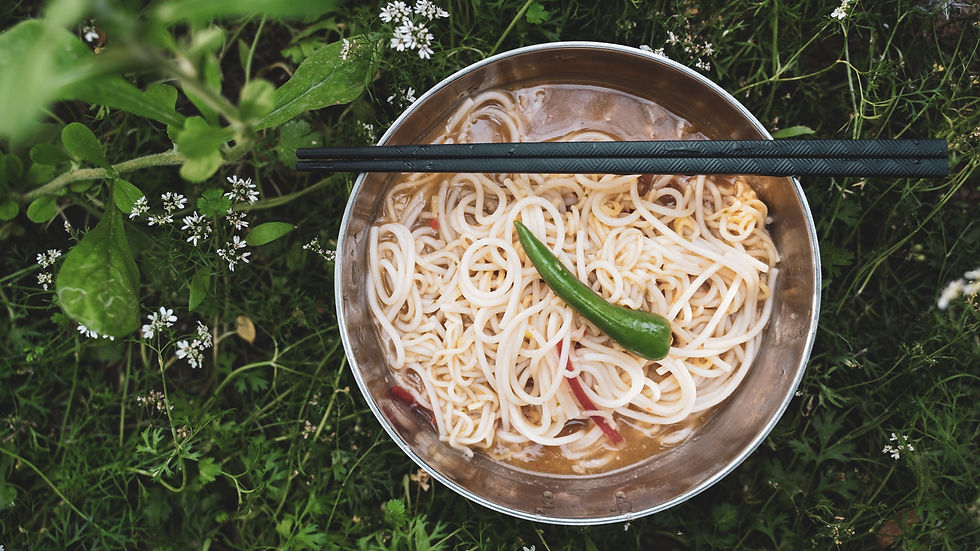
There are two types of outdoor meals.
The first is the full camp kitchen fantasy. A little stove. A simmering pot. Maybe a tiny cutting board. Steam rising while you stand in fleece looking very capable.
The second is the reality after a long hike when your legs are tired, your patience is low, and the idea of cooking feels like one more hill to climb.
That is where cold soaking comes in.
Cold soaking is a simple camping and backpacking meal method where you rehydrate food using cold water instead of heat. No stove. No fuel. No boiling. No hovering over a pot while pretending you are not starving. You just add water, wait, and eat.
It sounds suspicious at first. Like something invented by ultralight backpackers who also cut their toothbrushes in half. But once you understand how it works, cold soaking actually makes a lot of sense, especially for warm-weather camping, beginner backpacking, road trips, van trips, and low-effort outdoor meals.
Save this before your next camping trip.
What Is Cold Soaking?
Cold soaking is the process of soaking dehydrated, freeze-dried, or quick-cooking foods in cold or room-temperature water until they soften enough to eat.
Instead of using a stove to boil water, you let time do the work.
You add water to foods like instant rice, couscous, ramen, oats, instant mashed potatoes, or dehydrated beans, then let them sit in a sealed container until they absorb the liquid. Depending on the food, that can take anywhere from 5 minutes to an hour or more.
It is popular with backpackers because it cuts down on gear, weight, cleanup, and fuel needs. But you do not have to be deep in the backcountry to use it. Cold soaking is also great for casual campers, beach days, picnic hikes, long drives, and anyone who wants an easy outdoor meal without pulling out a full cooking setup.
Why Cold Soaking Is Worth Trying
Cold soaking is not about pretending cold noodles are better than a hot campfire meal. Sometimes a hot meal is exactly what you want.
But there are a few situations where cold soaking wins.
It is simple. You do not need a stove, pot, lighter, fuel canister, or windscreen. You just need food, water, and a container.
It is lighter. For backpackers, skipping a stove and fuel can save weight and space.
It is safer in some conditions. In dry areas with fire restrictions, open flames and stoves may be limited or discouraged. Cold soaking gives you a way to eat without relying on heat.
It is low-cleanup. Most cold soak meals can be made and eaten from the same container.
It is beginner-friendly. No cooking skills required. No timing a flame. No scraping burnt food from the bottom of a pot.
It is also surprisingly practical for drfter-style outdoor experiences, especially beginner-friendly camping trips and community hikes where people want to spend less time managing gear and more time enjoying the moment. Drfter’s outdoor world is rooted in nature, community, connection, and accessible outdoor experiences, which makes simple meal systems like this a good fit for people easing into camping without overcomplicating it.
What You Need to Cold Soak
You do not need much, which is the whole point.
The basic setup:
A sealable container
A spoon or spork
Cold or room-temperature water
Food that rehydrates well
Seasonings or sauce packets
A little patience
The container matters most. Many backpackers use a small screw-top plastic jar because it seals tightly and lets you shake the food with water. A reusable food container also works, as long as the lid is secure.
You want something lightweight, easy to clean, and not too large. A wide-mouth container makes eating and washing easier.
Best Foods for Cold Soaking
Not every food is built for cold soaking. Some things need heat to cook properly, and some things technically soften but still taste like regret.
Start with foods that are already cooked, dehydrated, instant, or quick-rehydrating.
Instant Oats
This is the easiest place to start. Add water, wait a few minutes, and you have cold oats. Think overnight oats, but outdoors.
Try adding peanut butter, dried fruit, cinnamon, maple syrup, chia seeds, or powdered milk.
Good for: Breakfast, easy snacks, warm-weather mornings.
Couscous
Couscous cold soaks really well because it is tiny and quick to hydrate. It usually softens faster than rice or pasta.
Add olive oil, lemon packets, tuna, chickpeas, sun-dried tomatoes, seasoning, or shelf-stable pesto.
Good for: Lunch or dinner.
Ramen Noodles
Yes, ramen works. Break the noodles up, cover with water, and let them sit until soft. It takes longer than hot ramen, but it gets the job done.
Use less seasoning packet than usual if you want to control the salt. Add peanut butter, soy sauce packets, chili flakes, or tuna for a more filling meal.
Good for: Budget meals, quick dinners, salty trail cravings.
Instant Mashed Potatoes
Instant potatoes are a cold soaking classic. They hydrate quickly and are easy to turn into a hearty meal.
Add olive oil, cheese powder, bacon bits, tuna, chicken packets, nutritional yeast, or spices.
Good for: Dinner, comfort food energy, “I need calories now” moments.
Instant Rice or Minute Rice
This can work, but it usually takes longer than couscous or oats. Texture may vary, so test it at home before bringing it on a trip.
Add beans, salsa packets, taco seasoning, olive oil, or dehydrated vegetables.
Good for: Burrito bowl-style meals.
Dehydrated Refried Beans
This is a strong cold soak option if you like burritos or tortilla wraps. It can take a little longer to soften, but it makes a filling base.
Add taco seasoning, hot sauce, crushed chips, cheese, or tortillas.
Good for: Trail burritos, high-calorie meals, easy camping dinners.
Chia Pudding
Chia seeds soak beautifully. Add water or powdered milk, let them sit, and mix with dried fruit, honey, or nut butter.
Good for: Breakfast, dessert, snack.
Foods That Do Not Cold Soak Well
Some foods are better left for actual cooking.
Regular pasta is not great unless you are very patient and very forgiving. Standard rice also takes too long and may stay unpleasantly chewy. Raw lentils, raw beans, and grains that require cooking are not safe or practical for cold soaking.
Also, avoid anything that needs proper cooking for food safety. Cold soaking is for rehydrating foods that are already cooked, dried, instant, or safe to eat as-is.
When in doubt, test it at home first. Your kitchen is a better place to discover that your “trail risotto” has the texture of wet gravel.
How Long Does Cold Soaking Take?
Timing depends on the food, water temperature, and how soft you want the final texture.
Here is a simple beginner guide:
Instant oats: 5 to 10 minutes
Couscous: 10 to 20 minutes
Ramen: 20 to 40 minutes
Instant mashed potatoes: 5 to 10 minutes
Dehydrated refried beans: 30 to 60 minutes
Instant rice: 30 to 60 minutes
Chia pudding: 20 minutes to overnight
Warm weather helps food rehydrate faster. Cold mountain water will slow things down. If you are hiking, you can prep lunch in the morning, toss the sealed container in your pack, and eat when you stop.
Just make sure the container is fully sealed. Nobody wants couscous water loose in their backpack. That is how villains are made.
Easy Cold Soak Meal Ideas
Here are a few beginner-friendly combinations to try.
Peanut Ramen Noodles
Add broken ramen noodles to your container. Cover with water and soak until soft. Stir in peanut butter, soy sauce, chili flakes, and a little of the seasoning packet.
Optional add-ins: Tuna packet, sesame seeds, dehydrated vegetables, crushed peanuts.
Trail Couscous Bowl
Add couscous, water, olive oil, lemon packet, salt, pepper, and dried herbs. Once soft, mix in tuna, chickpeas, or sun-dried tomatoes.
Optional add-ins: Feta if you are eating it early in the day, olives, pumpkin seeds.
No-Stove Breakfast Oats
Add instant oats, powdered milk, cinnamon, dried fruit, chia seeds, and water. Stir and let sit.
Optional add-ins: Peanut butter, maple syrup packet, banana chips, protein powder.
Cold Soak Burrito Filling
Add dehydrated refried beans, taco seasoning, and water. Let sit until soft. Spread into tortillas and top with hot sauce or crushed chips.
Optional add-ins: Instant rice, cheese, salsa packets, avocado if you are feeling fancy.
Loaded Mashed Potato Bowl
Add instant mashed potatoes and water. Once soft, stir in olive oil, chicken packet, nutritional yeast, and spices.
Optional add-ins: Shelf-stable bacon bits, fried onions, hot sauce.
Cold Soaking Tips for Beginners
Start with one meal. Do not plan your entire first camping trip around cold soaking if you have never tried it. Test one breakfast or lunch and see how you like it.
Use a little less water at first. You can always add more. You cannot easily un-soup your ramen.
Shake the container. A good shake helps water distribute evenly and prevents dry pockets.
Season aggressively. Cold food often tastes flatter than hot food, so bring spices, sauce packets, olive oil, hot sauce, lemon packets, or everything bagel seasoning.
Add fat and protein. Instant carbs are easy, but you will feel better if you add tuna, chicken packets, beans, nuts, seeds, olive oil, peanut butter, or powdered milk.
Think in textures. Add crunchy toppings like chips, seeds, nuts, or fried onions right before eating.
Try it at home first. This is the golden rule. Cold soak your meal in your kitchen before trusting it on a trail.
When Cold Soaking Makes the Most Sense
Cold soaking is especially useful for:
Warm-weather camping
Backpacking trips where you want to carry less gear
Lunches on long hikes
Road trips and van trips
Fire-restricted areas
Low-effort group camping meals
Beginner campers who want simple food options
People who hate doing dishes outside
It is also a good option when the goal of the trip is not to play camp chef. Sometimes the best outdoor meal is the one that lets you eat quickly, clean up fast, and get back to the sunset, the conversation, the trail, or doing absolutely nothing in a camp chair.
That counts as an activity.
When You Might Want a Stove Instead
Cold soaking is useful, but it is not magic.
A stove is still better when it is cold outside, when you want coffee or tea, when morale requires a hot meal, or when you are cooking foods that actually need heat.
In colder weather, hot food can feel comforting and grounding. If you are camping in fall, winter, or at higher elevation, cold soaking may not be your best move for dinner.
It is a tool, not a personality. Use it when it makes sense.
Food Safety Notes
Cold soaking is simple, but you still want to be smart.
Use clean water. If you are using backcountry water, filter or treat it first.
Do not cold soak raw foods that require cooking.
Avoid leaving perishable ingredients sitting out too long, especially in warm weather.
Eat the meal once it is ready rather than letting it sit all day in the heat.
Wash or rinse your container after eating so it does not become a science project by morning.
For most beginner campers, the safest approach is to use shelf-stable ingredients: instant grains, dried vegetables, sealed tuna or chicken packets, nut butters, spices, and sauce packets.
A Simple Cold Soaking Packing List
Here is what to bring:
A screw-top container or leakproof food jar
Spork
Instant oats
Couscous or ramen
Instant mashed potatoes
Tuna, chicken, or bean packets
Nut butter
Olive oil packets
Hot sauce
Salt, pepper, and spices
Dried fruit
Nuts or seeds
Tortillas
Water filter, if needed
You do not need to bring all of this. Pick one or two meals and keep it simple.
Cold soaking is not glamorous, but it is useful. And honestly, that is part of the charm.
It gives you an easy way to eat outside without carrying extra gear, setting up a stove, or turning every meal into a production. For beginner campers and backpackers, it removes one more barrier between “I want to go outside” and actually going.
Will every cold soak meal change your life? Absolutely not.
Will a peanut ramen bowl taste pretty great after a long hike when you are sitting on a rock with a view? Very possibly.
Try it once. Start simple. Bring hot sauce.
And save this before your next camping trip.
-Phaon K. Spurlock


Comments